
Morocco has always been more than a destination. It is a land of contrasts, where ancient medinas meet vast deserts, and centuries-old traditions live side by side with modern ambitions. Yet the way travelers experience Morocco today is very different from how it was just a few decades ago.
For those who visited Morocco in the late 1990s or early 2000s, traveling here was a true adventure. It required patience, curiosity, and a willingness to embrace the unexpected. Roads were long and sometimes rough, accommodations were simple, and discovering hidden places often meant relying on local advice or dog-eared guidebooks. The reward, however, was a raw and deeply authentic encounter with Moroccan life.
Today, Morocco offers that same authenticity, but with a new level of comfort, accessibility, and refinement. Modern infrastructure, well-designed travel experiences, luxury riads, and professionally guided desert journeys have transformed how visitors move through the country. Travelers can now cross regions with ease, sleep under the stars in high-comfort Sahara camps, and enjoy cultural immersion without sacrificing convenience or safety.
This transformation did not happen overnight. It reflects years of investment in tourism, sustainability, and cultural preservation. Morocco did not lose its soul in the process; it learned how to share it better.
In this article, we explore the Morocco travel experience before and now, comparing two different eras of tourism to show how the country has evolved into one of the most captivating and traveler-friendly destinations in the world today.
Traveling in Morocco between the 1990s and early 2000s was an experience shaped by simplicity, spontaneity, and endurance. This was a time when tourism was growing, but still far from the polished and structured industry it is today. For many travelers, Morocco felt mysterious, intense, and thrillingly unpredictable.
Outside major cities like Marrakech, Fes, and Casablanca, infrastructure was limited. Long road journeys across the Atlas Mountains or toward the Sahara Desert could take an entire day—or more. Public transport was slow, and private transfers were rare. Reaching places like Merzouga or Zagora often meant hours on bumpy roads, followed by camel treks into basic desert camps with minimal facilities.
Accommodation reflected the spirit of the time. Riads existed, but few were restored to international standards. Most travelers stayed in modest guesthouses or simple hotels, where comfort was secondary to character. In the desert, camps were functional rather than luxurious—thin mattresses, shared facilities, and candlelight replacing electricity.
Planning a trip required effort and flexibility. Travelers relied on guidebooks, handwritten notes, and recommendations from fellow backpackers. Tours were often arranged on arrival, and experiences varied widely in quality. English-speaking guides were less common, and cultural interpretation depended largely on personal encounters.
Yet, despite, or perhaps because of, these challenges, the Morocco travel experience felt deeply authentic. Encounters with locals were unfiltered, meals were shared spontaneously, and moments of silence in the desert or medina carried a sense of discovery that stayed with travelers long after they left.
This era of Moroccan tourism attracted adventurous spirits: backpackers, explorers, and cultural travelers who valued experience over comfort. Morocco was not always easy, but it was unforgettable.
Today, traveling in Morocco is defined by ease, diversity, and thoughtfully designed experiences. While the country has preserved its cultural depth and traditions, the way visitors explore it has been completely reimagined to meet modern travel expectations.
One of the most noticeable changes is infrastructure. Modern highways now connect major cities and remote regions, making long-distance travel smoother and significantly faster. The introduction of the high-speed Al Boraq train between Tangier, Rabat, and Casablanca has reshaped urban travel, while well-maintained roads allow travelers to reach the Atlas Mountains, coastal towns, and the Sahara Desert in comfort.
Accommodation has also evolved dramatically. Restored riads blend traditional Moroccan architecture with contemporary luxury, offering personalized service, refined design, and modern amenities. In the Sahara, desert camps have transformed from basic shelters into immersive luxury experiences, private tents, proper beds, hot showers, fine dining, and even wellness and stargazing programs under some of the darkest skies in North Africa.
Planning a journey is now effortless. Digital platforms, professional tour operators, and experienced local guides allow travelers to customize their trips in advance. Guided experiences are more structured and informative, offering deeper cultural insight into Amazigh life, nomadic traditions, Moroccan cuisine, and desert ecology. Safety standards, comfort, and service quality have become central to the Moroccan travel experience.
Most importantly, Morocco today welcomes a wider range of travelers than ever before. Families, couples, luxury travelers, golfers, wellness seekers, and cultural explorers can all find experiences tailored to their interests. The country has embraced sustainable tourism, empowering local communities while protecting landscapes and heritage.
Modern Morocco proves that authenticity does not have to mean hardship. Travelers can now experience the magic of the medinas, the silence of the Sahara, and the warmth of Moroccan hospitality, with confidence, comfort, and care.
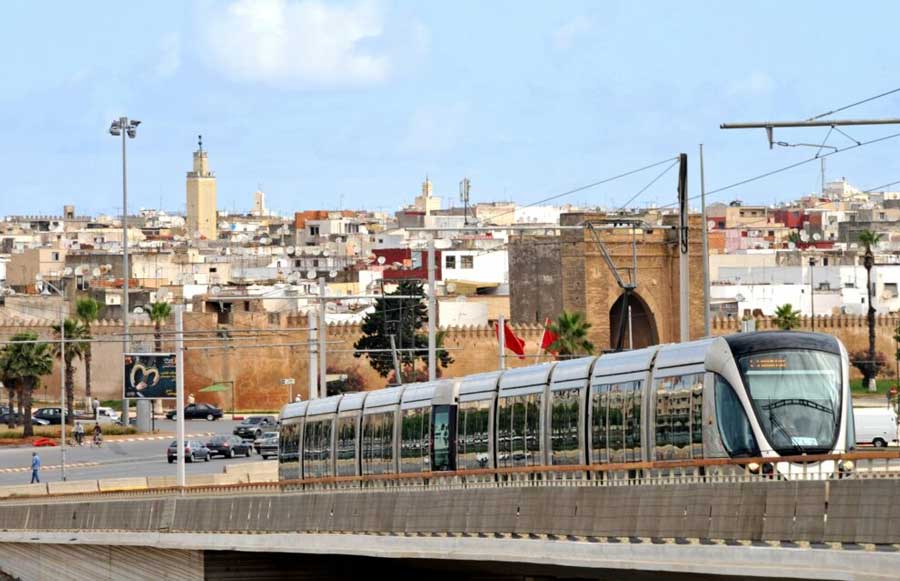
The transformation of Morocco’s tourism sector is best understood when the two eras are placed side by side. While the essence of the country has remained unchanged, the way travelers experience it has evolved significantly.
| Aspect | Then (1990–2005) | Now (2015–Today) |
|---|---|---|
| Transportation | Long, tiring journeys on limited roads | Modern highways, comfortable transfers, high-speed trains |
| Trip Planning | Guidebooks, word-of-mouth, on-arrival arrangements | Online booking, custom itineraries, professional operators |
| Accommodation | Basic hotels, simple riads, modest desert camps | Restored riads, luxury hotels, high-end Sahara camps |
| Desert Experience | Rugged adventure, minimal comfort | Curated experiences with comfort, gastronomy & stargazing |
| Guiding & Interpretation | Informal, inconsistent quality | Licensed, multilingual, expert local guides |
| Safety & Reliability | Unpredictable standards | International-level safety and service quality |
| Traveler Types | Backpackers and adventure seekers | Families, couples, luxury & experience travelers |
| Cultural Access | Organic but limited interpretation | Deeper, well-explained cultural immersion |
| Overall Experience | Raw, demanding, unforgettable | Seamless, enriching, and unforgettable |
What stands out is not that Morocco has changed its identity, but that it has learned how to present it better. The stories, traditions, landscapes, and hospitality remain the same; only the journey has become smoother and more accessible.
This evolution allows travelers today to focus less on logistics and challenges, and more on meaningful moments, sharing tea with locals, watching the sunset over Sahara dunes, or getting lost in the rhythms of a medina without stress.
Morocco’s evolution from a raw adventure destination to a refined and welcoming travel experience did not happen by chance. It is the result of long-term vision, strategic investment, and a deep understanding of what modern travelers seek, without sacrificing cultural authenticity.
One of the key drivers of this change has been national tourism development strategies, particularly Vision 2010, Vision 2020, and the ongoing Vision 2030. These initiatives aimed to position Morocco as a world-class destination while protecting its heritage, landscapes, and traditions. Infrastructure development became a priority, connecting remote regions to major tourism hubs and making travel across the country more efficient.
Equally important was the focus on quality and professionalism. Guiding training programs, hospitality education, and international service standards helped raise the overall level of the travel experience. Today, licensed local guides offer deeper cultural interpretation, allowing travelers to truly understand Amazigh traditions, desert life, Moroccan cuisine, and historical cities rather than just passing through them.
Accommodation and experience design also played a major role. Traditional riads were restored instead of replaced, preserving architectural heritage while introducing comfort and luxury. In the Sahara, tourism evolved from survival-style camping into immersive desert experiences that combine comfort, storytelling, astronomy, gastronomy, and cultural exchange, making the desert accessible to a wider audience.
Technology further accelerated this transformation. Online platforms, digital navigation, and transparent booking systems gave travelers confidence and control. Morocco became easier to plan, safer to explore, and more attractive to first-time visitors who once hesitated due to uncertainty.
Most importantly, Morocco embraced sustainable and community-based tourism. Many experiences today directly involve local families, nomadic communities, artisans, and guides, ensuring that tourism benefits those who protect and preserve Morocco’s cultural identity.
This balance between progress and preservation is what makes Morocco’s modern travel experience so compelling and so unique.
There has never been a better moment to travel to Morocco than now. The country has reached a rare balance, offering the richness and authenticity that once attracted adventurous explorers, combined with the comfort, safety, and sophistication modern travelers expect.
Today’s Morocco allows visitors to move effortlessly between worlds. In a single journey, travelers can wander through ancient medinas, cross the Atlas Mountains on smooth highways, relax in beautifully restored riads, and sleep under the stars in the Sahara without sacrificing comfort. Experiences that once required endurance are now accessible to everyone, from first-time travelers to families, couples, and luxury seekers.
The diversity of experiences is also greater than ever. Cultural immersion, desert stargazing, wellness retreats, culinary journeys, golf tourism, and eco-friendly adventures are thoughtfully curated and professionally guided. Travelers no longer simply visit Morocco; they experience it with depth, understanding, and ease.
Most importantly, Morocco today is confident in its identity. It does not try to modernize by erasing tradition, but by showcasing it with pride. The warmth of Moroccan hospitality, the rhythm of daily life, and the beauty of its landscapes remain unchanged; only the way they are shared has evolved.
For those who once dreamed of Morocco but hesitated, now is the time. And for those who have visited before, Morocco invites you back to rediscover it through a new lens.