
Morocco offers far more than famous landmarks and postcard views. It is a country of experiences, from the silence of the Sahara Desert and the energy of ancient medinas to the warmth of local hospitality and rich traditions that shape everyday life.
Some experiences in Morocco are so special that avoiding them is the only way not to fall in love with the country. They invite you to slow down, connect with local culture, and discover places in a more meaningful way. These moments transform a simple trip into a memorable journey.
Below are the experiences you must live in Morocco, the ones that reveal the true spirit of the country and leave travelers with unforgettable memories.
If you want to avoid falling in love with Morocco, spending a night in the Sahara Desert is something you should definitely skip.
The dunes of Merzouga and Erg Chebbi offer one of the most unforgettable experiences in the country. As the sun sets, the sand turns golden, the air cools, and the desert becomes incredibly quiet. A camel trek across the dunes at sunset is often the first moment travelers realize how vast and peaceful the Sahara truly is.
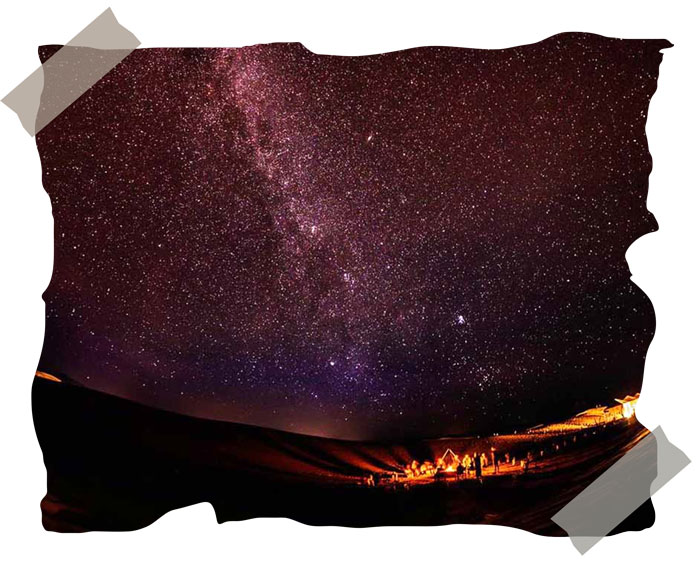
At night, far from city lights, the sky comes alive. Thousands of stars fill the darkness, and the Milky Way stretches clearly above the desert. Sitting around a campfire, enjoying traditional music and a Moroccan dinner, the experience feels both simple and extraordinary.
Sleeping in a desert camp, whether traditional or luxury, allows you to fully disconnect and experience Morocco at its most raw and authentic. It’s not just an overnight stay; it’s a moment of stillness that stays with you long after you leave the desert.
Avoid this experience only if you don’t want to understand why so many travelers say the Sahara is the heart of Morocco.
Getting lost in a Moroccan medina is something many travelers try to avoid, and that’s exactly why it’s one of the experiences you shouldn’t miss.
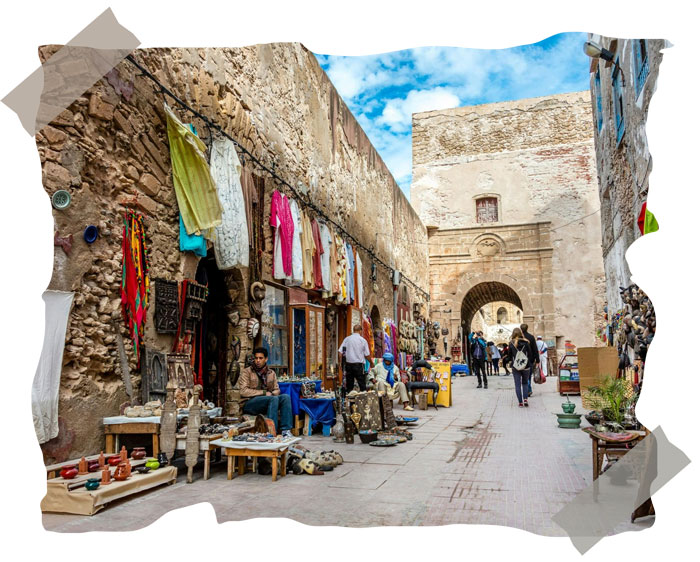
The historic medinas of Fes, Marrakech, and Essaouira are living cities shaped by centuries of history. Narrow alleyways, hidden courtyards, artisan workshops, and local markets create an atmosphere you can’t experience by following a map. Wandering without a fixed plan allows you to discover details most visitors never see.
As you walk, you’ll pass spice sellers, leather tanneries, small bakeries, and craftsmen practicing skills passed down through generations. Every turn reveals something new, a quiet riad door, a lively souk, or the call to prayer echoing through the streets.
Getting lost in the medina isn’t about confusion; it’s about discovery. It’s one of the best ways to experience the rhythm of daily life and connect with the soul of Morocco’s historic cities. Avoid it only if you prefer to see Morocco from a distance rather than live it from within.
Sharing a glass of mint tea in Morocco may seem like a small moment, but it is one of the most meaningful experiences you can have.
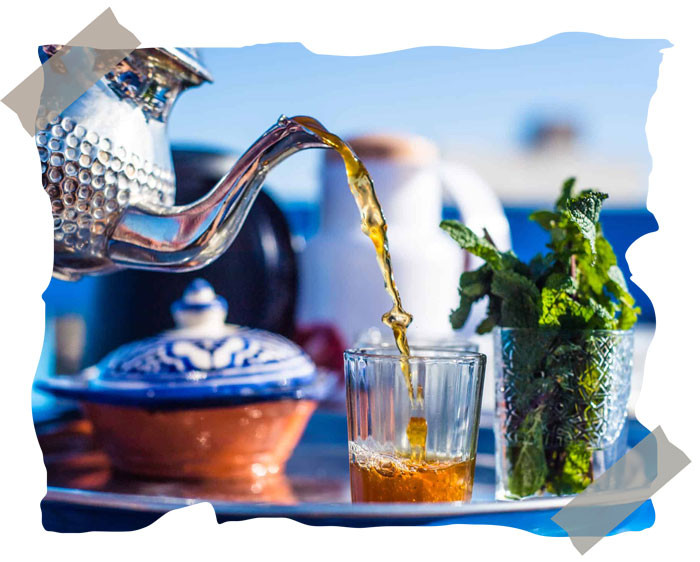
Mint tea is more than a drink; it is a symbol of hospitality, respect, and connection. Whether you are invited into a family home, welcomed into a small shop, or offered tea in a mountain village or desert camp, it is a genuine gesture of warmth.
These moments often come with simple conversations, smiles, and stories, even when language is limited. Sitting together, taking time to enjoy tea, and observing everyday life creates a sense of closeness that no tour or attraction can offer.
Avoid sharing mint tea only if you don’t want to experience the true generosity of Moroccan culture. Because once you do, Morocco no longer feels like a place you’re visiting; it feels like a place that welcomes you.
Waking up before dawn while traveling isn’t always appealing, especially on vacation. But in the Atlas Mountains, sunrise is an experience worth losing sleep for.
As the first light appears, the mountains slowly change color, revealing valleys, terraced fields, and traditional Berber villages. The air is fresh and quiet, and the pace of life feels calm and unhurried. It’s a moment when nature and daily life meet in perfect balance.
Early mornings often include simple breakfasts, the sound of animals waking up, and locals beginning their day. Whether you’re staying in a mountain guesthouse or hiking through the region, sunrise offers a peaceful perspective of Morocco far from busy cities.
Skipping this experience means missing one of the most authentic and serene moments the country has to offer, one that shows a softer, more intimate side of Morocco.

In Morocco, food is not just about taste; it’s about sharing, tradition, and connection. Eating with your hands, using freshly baked bread, is an essential part of the experience.
Meals like tagine or couscous are often served in a shared dish, bringing everyone together around the table. Using bread instead of cutlery is a cultural tradition that encourages slow eating and conversation. It turns every meal into a social moment rather than a rushed one.
From home-cooked meals in small villages to traditional restaurants, eating this way allows you to experience Moroccan cuisine as locals do. The flavors feel richer, and the experience feels more personal.
Avoid eating Moroccan food with your hands only if you want to miss the warmth and authenticity that make Moroccan meals so memorable.

A traditional hammam is more than a place to relax; it’s an important part of everyday life in Morocco. For many locals, visiting the hammam is a weekly ritual that combines cleansing, relaxation, and social interaction.
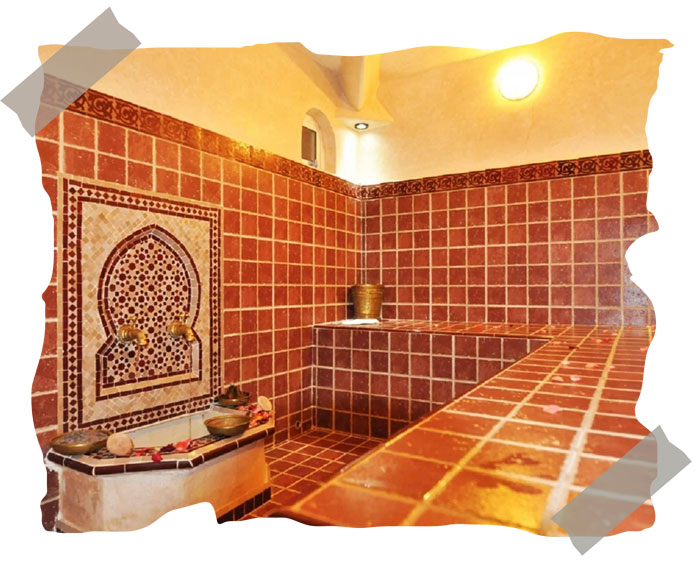
Inside, warm steam fills the rooms as you move through different temperatures. The process is simple and deeply refreshing: hot water, black soap, exfoliation, and rest. Time seems to slow down, allowing you to fully unwind and disconnect from daily stress.
Unlike modern spas, traditional hammams offer an authentic experience rooted in centuries-old traditions. Whether you choose a local neighborhood hammam or a more refined version, it’s an experience that leaves you feeling renewed.
Skipping this ritual means missing a unique insight into Moroccan culture, one that refreshes both body and mind.
Sticking only to Morocco’s famous cities is easy, and that’s exactly why exploring beyond them is so rewarding.
Outside Marrakech, Fes, and Casablanca, Morocco reveals a quieter and more authentic side. Small villages, desert towns, mountain communities, and coastal escapes offer a deeper connection to local life. These places move at a slower pace and welcome travelers with genuine warmth.
Traveling through the countryside allows you to experience changing landscapes, from palm-filled oases and dramatic canyons to remote desert roads and Atlantic shores. It’s often in these lesser-known places where the most meaningful encounters happen.
Avoid going beyond the big cities only if you don’t want to discover the true diversity of Morocco, the kind that turns a trip into a rich and unforgettable journey.

Music in Morocco is deeply connected to history, spirituality, and community, and experiencing it at night makes it even more powerful.
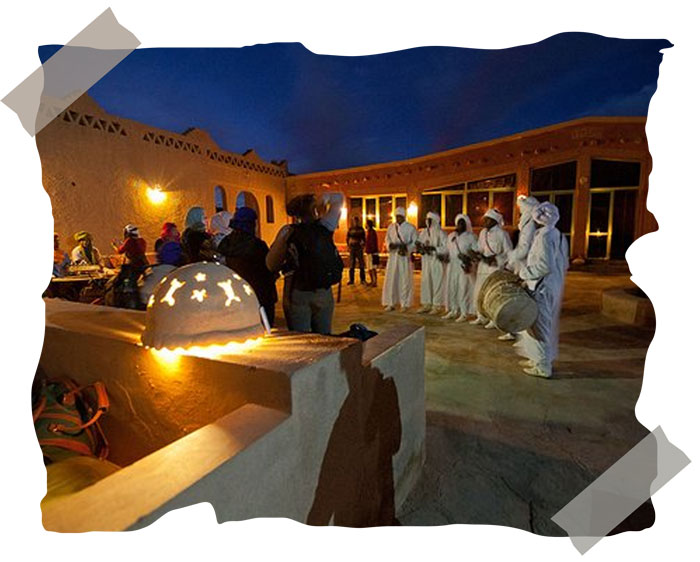
Gnawa and desert music are often performed in intimate settings such as riads, cultural venues, or desert camps. The rhythmic drums, castanets, and repetitive melodies create an atmosphere that feels both energetic and calming. It’s not just music you hear; it’s something you feel.
These performances reflect centuries-old traditions, blending African, Amazigh, and Arab influences. Listening under the night sky, especially in the desert, adds a sense of connection to the place and its people.
Skipping this experience means missing one of Morocco’s most soulful cultural expressions, one that stays in your memory long after the music ends.
Avoiding these experiences is the easiest way to leave Morocco unchanged. Each one reveals a different side of the country: its landscapes, traditions, music, food, and the warmth of its people.
From the silence of the Sahara and the energy of the medinas to shared meals and slow travel, these moments create memories that go far beyond sightseeing. They are what turn a visit into a genuine Moroccan experience.
If you choose to live them, Morocco offers more than a destination. It offers a journey filled with connection, discovery, and unforgettable moments, the kind that travelers remember long after their trip ends.